Liquid level control relays are designed to monitor liquid levels in tanks, reservoirs, wells and other storage or process systems. In response to a signal from a connected level sensor or electrodes, the relay can control a pump, valve, alarm device or another automation component.
The category may include DIN rail level control relays, liquid level sensors, probes and connection electrodes. Important selection criteria include the number of monitored levels, filling or draining control function, supply voltage, output contact ratings, sensor type and the electrical conductivity of the liquid.
 Power, USB and data sockets
 Switches
 Accesories for sockets and switches
 Hermētiskas rozetes un slēdži
 Grīdas rozetes
 Busbars and accessories
 DIN rail metering and signalling devices
 DIN rail protection devices
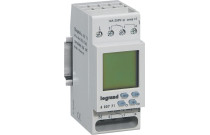 Switching and control
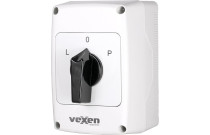 Cam switches
 Contactors and protection devices for industrial control
 Industrial CEE/PCE connections
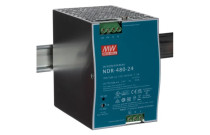 Industrial DIN rail power supplies
 Limit switches
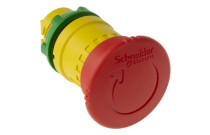 Panel Control Elements
 Korpusi
 Sadales skapji
 Decorative lighting
 Indoor lighting for homes and offices
 LED bulbs
 LED strips, accessories and power supplies
 Lighting accessories
 Lighting controls and sensors
 Outdoor Lighting
 Technical luminaires for warehouses, production and worksites
 Cable trunking
 Conduit and corrugated conduit accessories
 Conduits, corrugated conduits and fixings
 PVC conduit
 Āderuzgaļi
 Electric heating
 Extension Cords, Cable Reels & Inline Plugs
 Instalācijas nozarkārbas
 Kabeļu turētāji, klipši un savilcēji
 Stiprināšanas materiāli
 Hermētiķi, līmes un industriālā ķīmija
 Kabeļu apvalks
 Kabeļu savienojumi
 Kabeļu spailes
 Termocaurules un izolācijas materiāli
 Zemējums un potenciālu izlīdzināšana
 Kabeļu vilkšanas instrumenti
 Mērīšana un testēšana
 Rokas instrumenti
 Speciālie instrumenti